Beautiful nails are not made in a single manicure appointment. They are built slowly, day by day, with small habits that keep your nails strong, smooth, and healthy. Good nail care is simple once you understand what your nails actually need: gentle handling, regular moisture, protection from harsh chemicals, and a little patience. Whether your nails are weak, peeling, brittle, or simply dull, this guide will show you exactly how to care for them at home without expensive salon visits.
Below you will find a complete beginner’s guide to nail care at home, covering your daily routine, cuticle care, strengthening tips, the right way to file and shape, polish habits that protect your nails, and fixes for the most common nail problems.
Why Nail Care Matters
Your nails are made of keratin, the same protein found in your hair, and like your hair they show the effects of how you treat them. Nails that are constantly exposed to water, detergents, and harsh removers become dry and brittle. Nails that are used as tools to open cans or peel off stickers chip and split. Nails that are never moisturized develop rough cuticles and hangnails.
The good news is that nails respond quickly to better care. Because nails grow about three millimetres a month, a new, healthier nail replaces a damaged one in just a few months, and a consistent routine today means visibly stronger, smoother nails within six to eight weeks.
Your Daily Nail Care Routine
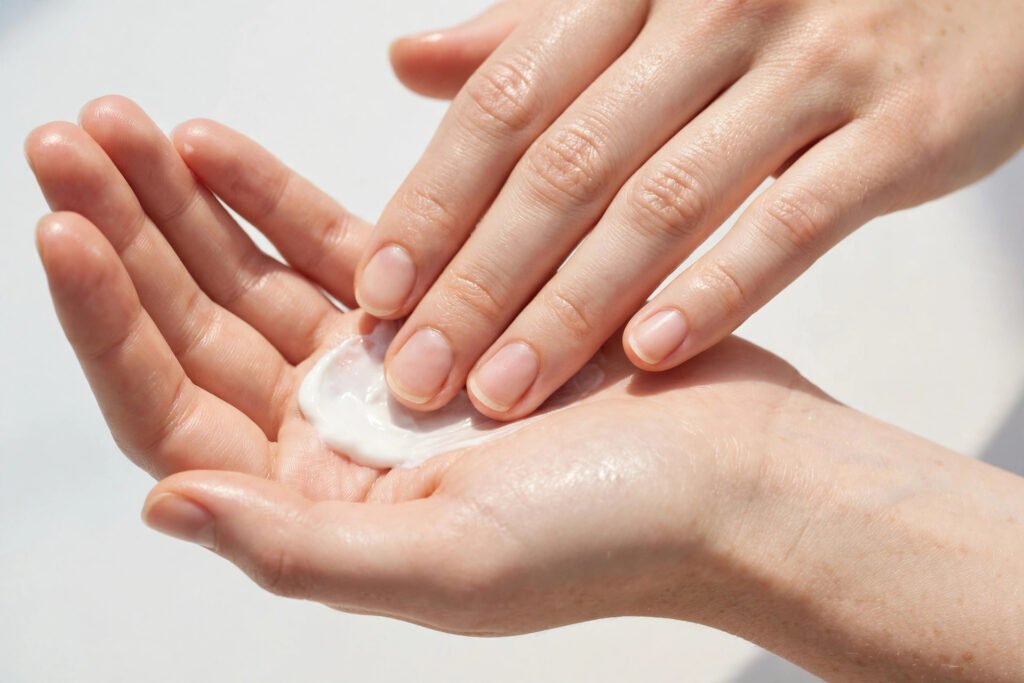
A good daily routine takes less than five minutes and makes the biggest difference of all. Start your morning by applying hand cream and rubbing a little extra into your nails and cuticles. Moisturized nails bend instead of breaking, and soft cuticles look neat without any trimming.
Wash your hands with a gentle soap and lukewarm water rather than very hot water, which strips natural oils from your nails and skin. After washing, dry your hands thoroughly and reapply moisturizer, because damp nails are soft and vulnerable. Keep a small tube of hand cream at your desk, in your bag, and by your bed so you never skip this step.
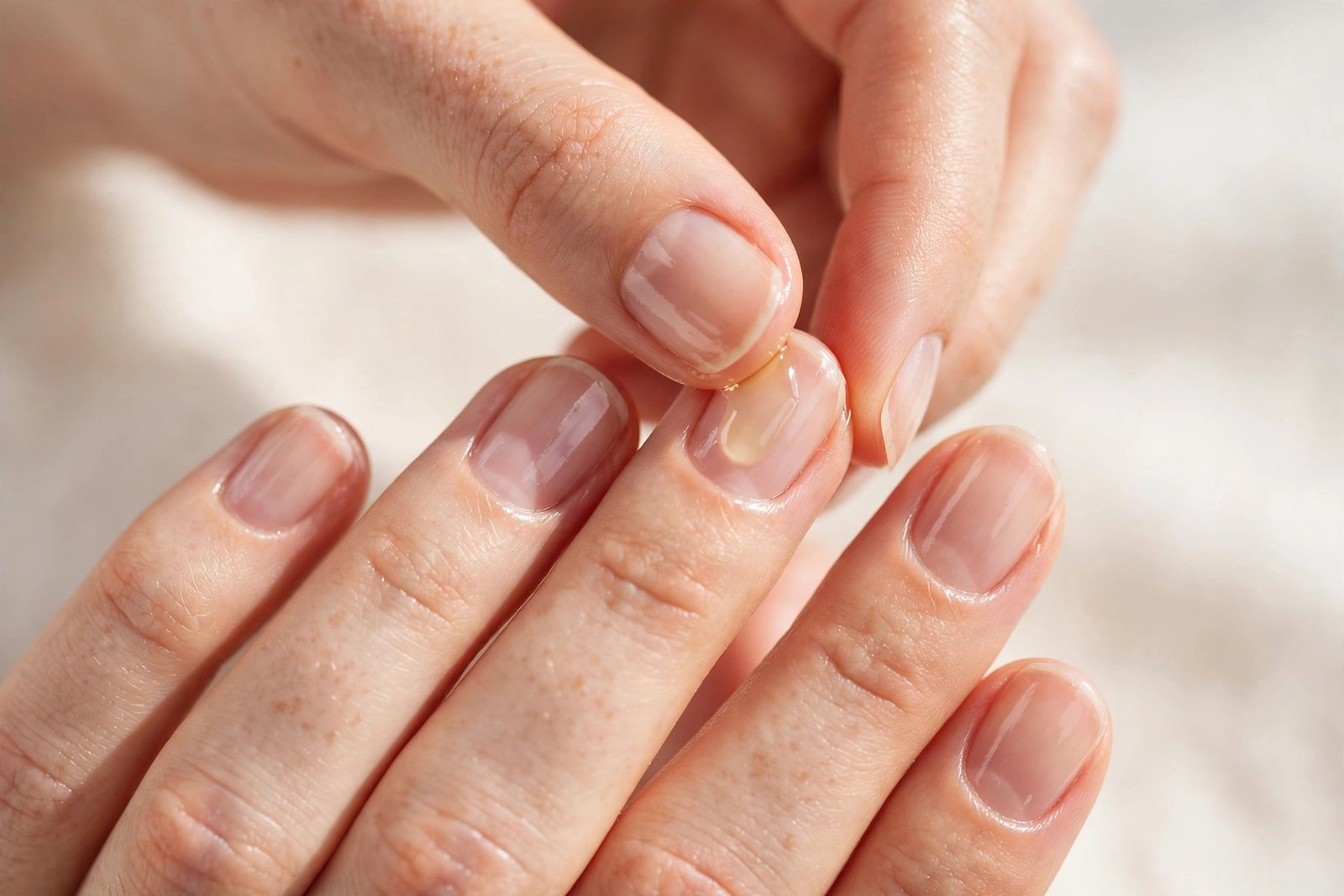
At night, massage a drop of cuticle oil into each nail before bed. Overnight is the best time for oil to soak in, and you will wake up to softer cuticles and a healthy shine. If your nails are very dry, apply a thick layer of hand cream and wear thin cotton gloves to bed once or twice a week. This simple overnight treatment works like a deep conditioning mask for your nails and hands.
Cuticle Care Done Right
Your cuticles are the thin layer of skin that seals the base of each nail and protects the nail root from infection, so they deserve gentle care rather than aggressive cutting. The most important rule of cuticle care is simple: never cut your cuticles. Cutting them leaves the nail bed open to bacteria and can cause painful infections, redness, and ridges in the growing nail.
Instead, soften your cuticles after a shower or a warm soak, then gently push them back with a wooden orange stick or a soft rubber pusher. This keeps the nail looking neat and gives polish a clean edge to work with. If you have a hangnail, do not pull it, since pulling tears the skin and can lead to infection. Trim it carefully with clean cuticle nippers at the base, then apply moisturizer and a little antiseptic if the skin is broken.
Moisturize your cuticles every day, just as you moisturize your hands. Dry cuticles crack, peel, and snag, while soft cuticles sit neatly against the nail and make any manicure look polished. A dedicated cuticle oil with jojoba or vitamin E works beautifully, but even plain olive oil or coconut oil will do the job if that is what you have at home.
How to Strengthen Weak Nails
Weak, bendy nails that peel in layers are one of the most common nail complaints, and they usually improve with a few changes. First, give your nails a break from polish every few weeks. Two or three polish-free days let your nails breathe and recover, especially after gel or acrylics.
Use a nail strengthener sparingly, once or twice a week, rather than every day. A good strengthener contains proteins that fill tiny gaps in the nail, but overusing it can make nails too hard and brittle, which is the opposite of what you want. Look for a product that promises flexibility rather than rock-hard nails, since healthy nails need to bend slightly without snapping.
Protect your nails from water damage by wearing gloves for washing dishes and cleaning. Water makes nails swell and soften, and repeated wetting and drying weakens them over time. The same applies to long, hot showers and swimming pools. Gloves are the cheapest and most effective nail strengthener you will ever buy.
Finally, eat for strong nails. Protein, iron, zinc, and biotin all support healthy nail growth, so a balanced diet with eggs, nuts, leafy greens, and whole grains helps more than any supplement. If your nails are severely weak or ridged, speak to a doctor before trying supplements, since persistent nail problems can sometimes point to a deficiency or a health issue.
Filing and Shaping the Right Way
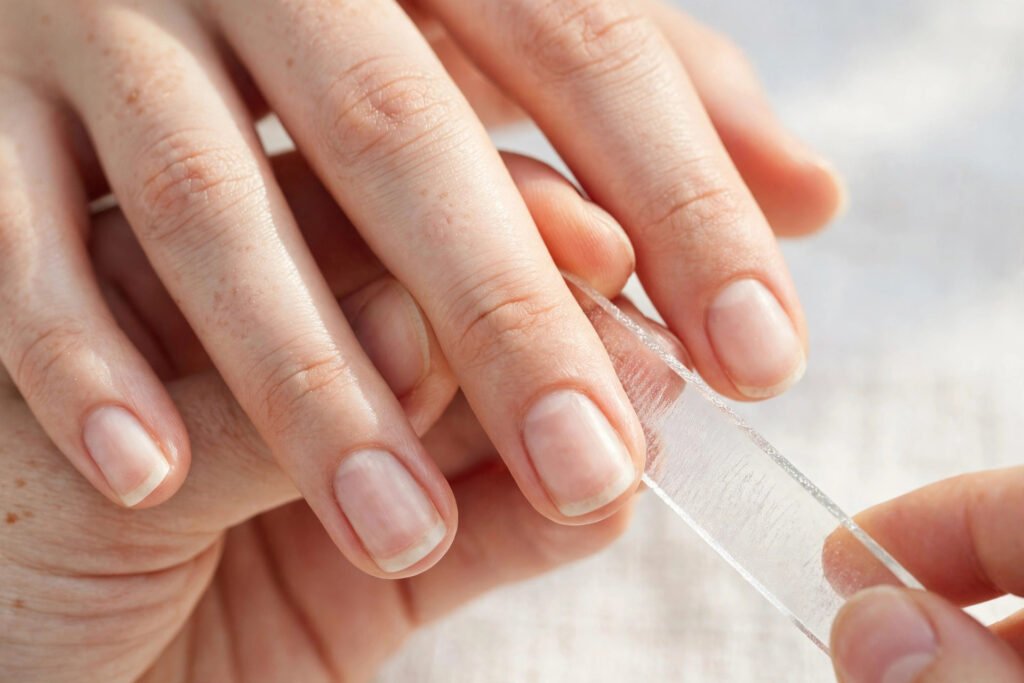
Filing is one of the most misunderstood parts of nail care, and doing it wrong is a common cause of splitting and peeling. Always file in one direction, from the side toward the centre, rather than sawing back and forth. The sawing motion creates tiny tears along the free edge that later become splits and chips.
Use a fine-grit file rather than a coarse metal one, and file dry nails only. Wet nails are soft and tear easily, so wait until your nails are completely dry after washing. File gently and check your progress often, since it is easy to file too much and leave the nail too short or uneven.
Choose a shape that suits your hands and your lifestyle. Oval and round shapes are the most practical and the least likely to break, because they have no sharp corners to catch on things. Square nails look chic but snag more easily, while almond nails are elegant but need more length and care. Keep your nails at a medium length if they are weak, since shorter nails break far less often and still look beautiful with a glossy polish.
Polish Habits That Protect Your Nails
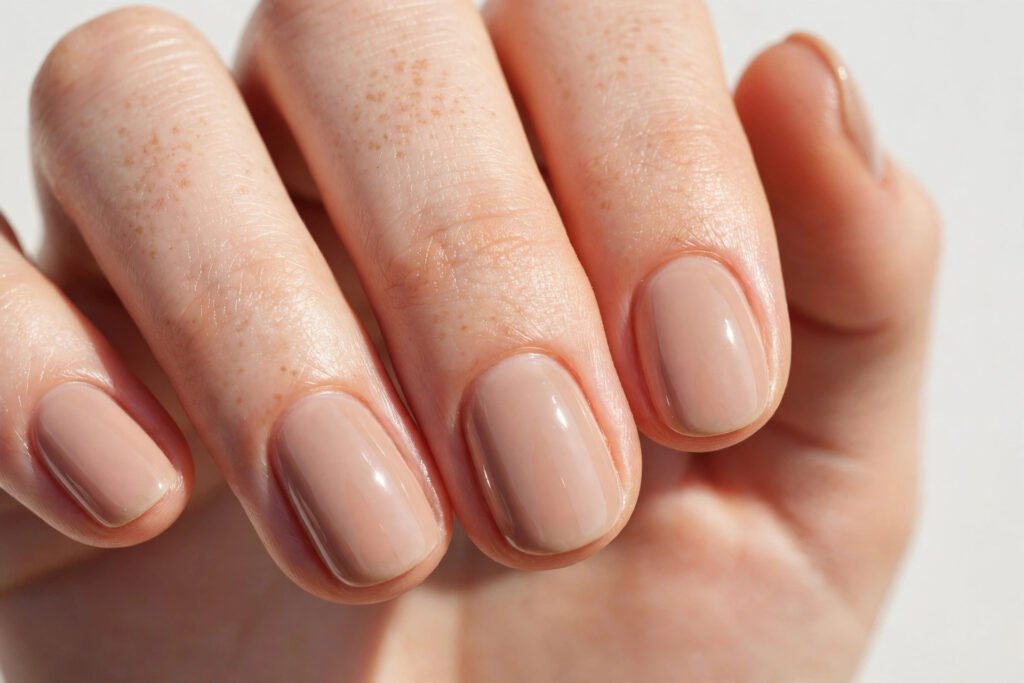
Polish itself is not bad for your nails, but bad polish habits are. Always start with a base coat, which acts as a barrier between your nail and the colour, preventing the yellow staining that dark reds, blues, and greens can leave behind. Apply colour in two thin coats rather than one thick one, and let each layer dry fully before adding the next.
Finish every manicure with a top coat, and reapply it every two or three days to keep the shine and stop chips from spreading. Never peel polish off your nails, since peeling lifts away thin layers of your natural nail and leaves it rough, thin, and weak. Remove polish gently with an acetone-free remover when you can, holding a soaked cotton pad on each nail for a few seconds before wiping, so the colour lifts off without scrubbing.
If you wear gel or acrylics, have them removed professionally or follow a proper soak-off method at home, and give your nails at least a week of rest and daily oil between sets. Your natural nails will thank you for the break, and your next set will last longer.
Common Nail Problems and Fixes
Peeling nails, where the tip splits into thin layers, are usually caused by water damage and over-filing. The fix is simple: wear gloves for wet work, file in one direction only, and apply cuticle oil daily to keep the nail flexible.
Brittle nails that snap easily are often a sign of dryness. Increase your moisturizing routine, use a hydrating nail treatment, and avoid harsh acetone removers. A humidifier in winter can also help, since dry indoor air pulls moisture from your nails and skin.
Ridges that run from the cuticle to the tip are usually harmless and become more common with age. Buff them very gently with a fine buffer, never aggressively, and fill them with a ridge-filling base coat before polish. Deep ridges, dark lines, or nails that change colour should be checked by a doctor, since they can occasionally signal a health problem.
White spots on the nails are usually tiny injuries to the nail matrix from a bump or from pushing cuticles too hard. They grow out on their own in a few weeks and need no treatment. Yellow nails are most often caused by dark polish without a base coat, and a gentle buff and a polish-free week usually clears them.
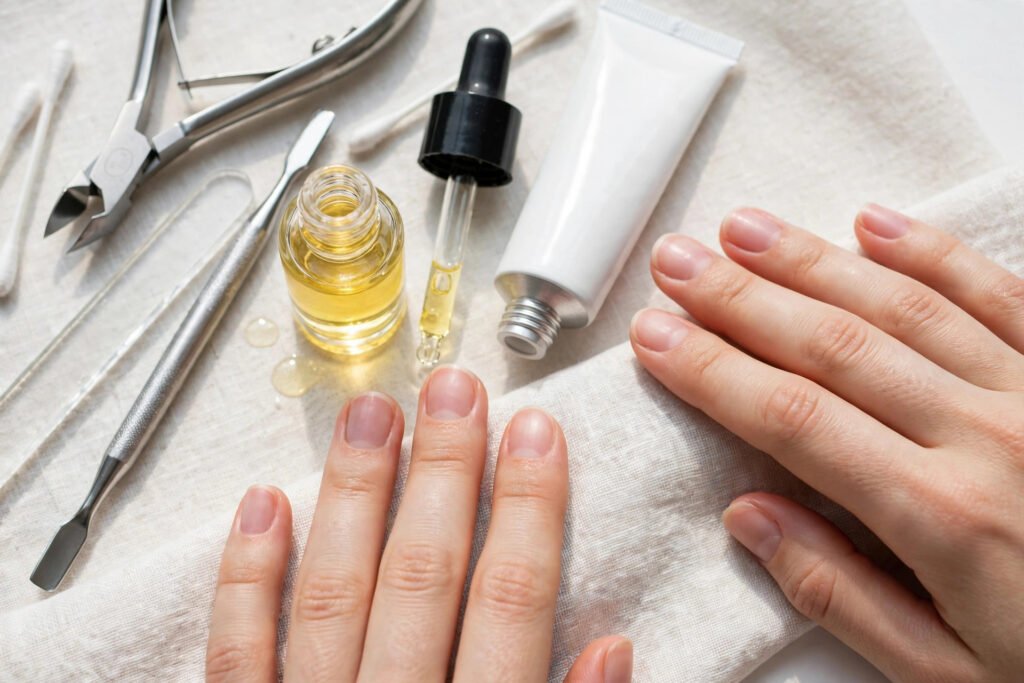
Tools Every Home Nail Kit Needs
You do not need a professional salon kit to care for your nails at home, but a few good tools make everything easier. Start with a fine-grit glass or emery board file, a soft buffer block, and a wooden orange stick for pushing back cuticles. Add a pair of clean, sharp nail clippers and small cuticle nippers for hangnails only.
For products, keep a gentle base coat, a glossy top coat, a cuticle oil, and a rich hand cream. An acetone-free remover is gentler for everyday use, while a small bottle of acetone is useful for removing glitter and gel. Store your tools in a clean pouch, wash metal tools with soap and water after use, and replace worn files regularly, since a dull file tears the nail edge instead of smoothing it.
Simple Nail Care Tips for Every Day
Small habits add up to strong, healthy nails. Wear gloves for dishes, cleaning, and gardening, since chemicals and water are your nails’ biggest enemies. Never use your nails as tools to open cans, peel stickers, or scrape labels, because the pressure snaps and splits them. Keep your nails at a comfortable length and file them regularly so small chips do not turn into big breaks.
Drink enough water and eat a balanced diet, since hydrated, well-nourished nails grow stronger and shinier. Moisturize your hands and cuticles every single day, even when your nails look fine, because prevention is easier than repair. Finally, be patient. Nails grow slowly, and the habits you start today will show in the new growth over the coming weeks.
Frequently Asked Questions
How often should I moisturize my nails?
Moisturize your nails and cuticles at least twice a day, morning and night, and after every hand wash if possible. Nails are constantly losing moisture to water, soap, and dry air, so regular moisturizing is the single most effective habit for healthy nails.
Is it bad to cut your cuticles?
Yes, cutting cuticles is best avoided. Cuticles protect the nail root from infection, and cutting them can cause redness, swelling, and ridges in the growing nail. Push them back gently after softening them instead, and trim only hangnails with clean nippers.
How long does it take for weak nails to get stronger?
With consistent care, most people see a real improvement in six to eight weeks, which is roughly how long it takes for a damaged nail tip to grow out and be replaced by healthier nail. Keep up the routine even after you see progress, since the benefits last only as long as the habits do.
Can I strengthen my nails with diet alone?
Diet helps a great deal, since nails need protein, iron, zinc, and biotin to grow strong, but it works best together with good external care. Moisturizing, wearing gloves, and filing correctly protect the nail you already have while a healthy diet improves the nail that is growing in.